
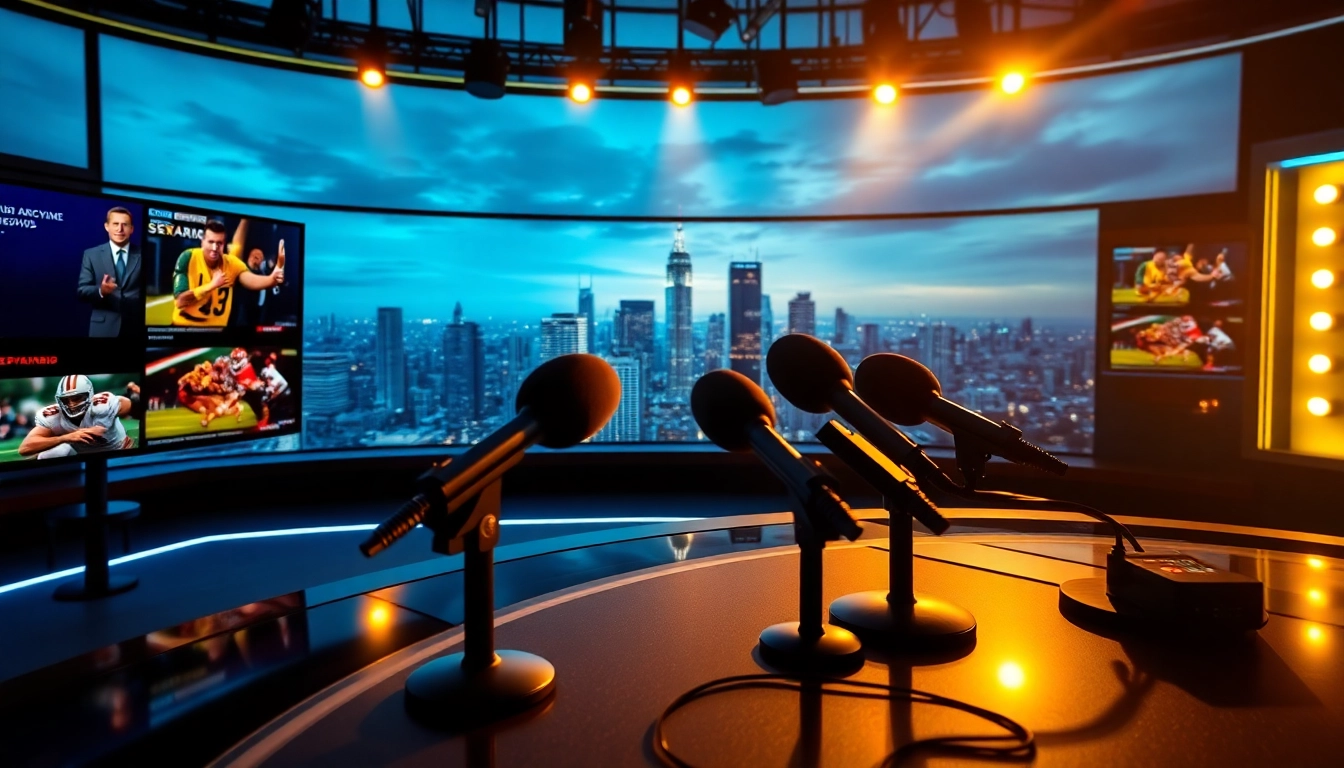
Understanding Sports Broadcasting Basics
What is Sports Broadcasting?
Sports Broadcasting encompasses the relay and transmission of sports events through various media, including television, radio, and online platforms. It aims to deliver live games, commentary, analysis, and highlight reels, engaging audiences in real-time. The essence of Sports Broadcasting lies in its ability to connect fans with their favorite sports, athletes, and teams, fostering a shared experience. As technology advances, the methods and formats through which sports are broadcasted continue to evolve, bringing exciting opportunities for content creators and consumers alike. For a deep dive into the expanding world of Sports Broadcasting, resources and insights can be accessed at Sports Broadcasting.
Types of Sports Broadcasting
Sports Broadcasting can be broadly categorized into traditional and digital formats. Traditional broadcasting includes television and radio, where events are transmitted in real-time. Television sports broadcasting involves various formats, such as live coverage, highlight shows, and post-match analysis, often featuring expert commentary and discussions. Radio, on the other hand, offers an auditory experience, with play-by-play descriptions that engage listeners’ imaginations.
Digital broadcasting has revolutionized how audiences consume sports content, introducing live streaming, social media broadcasts, and mobile applications. Streaming services allow viewers to watch events on-demand, catering to diverse viewing preferences. Additionally, platforms like YouTube and Twitch have emerged as vital mediums for streaming live sports and esports, providing niche audiences with tailored content. The industry continues to innovate with interactive experiences, blurring the lines between traditional and digital media.
The Evolution of Sports Broadcasting
The history of sports broadcasting began in the early 20th century, starting with radio broadcasts that made sports accessible to the masses. The 1930s saw the introduction of television, revolutionizing the way fans experienced sports. As television became mainstream, networks invested heavily in sports rights, forging legendary partnerships with major leagues and events.
As technology progressed, sports broadcasting expanded to include color broadcasts, instant replays, and high-definition formats. The advent of the internet in the late 1990s marked a turning point as online streaming began to emerge, enabling fans to watch games on computers and mobile devices. Today, the advent of technologies such as augmented reality (AR) and virtual reality (VR) represents the future of Sports Broadcasting, creating immersive experiences that captivate audiences in unprecedented ways.
Key Components of Effective Sports Broadcasting
Essential Tools and Technologies
For effective Sports Broadcasting, there are several essential tools and technologies that play a crucial role. These include high-quality cameras, reliable microphones, and advanced broadcast software. Camera choices vary from standard HD cameras to high-speed and drone cameras, capturing action from multiple angles. Audio equipment is equally important, as clear commentary can significantly enhance the viewer experience.
Broadcast software, including graphics generation tools, play-out systems, and live streaming platforms, enable broadcasters to create seamless presentations. Technologies such as cloud broadcasting and IP-based servers allow for flexible production options, accommodating live event coverage and pre-recorded segments. Integration of analytics tools also helps broadcasters understand audience engagement and tailor content accordingly.
Building a Captivating Sports Broadcast
Creating a captivating sports broadcast involves several key elements that resonate with the target audience. First, it is essential to define the narrative or storyline surrounding the event. A compelling storyline can include rivalries, player history, and seasonal significance, drawing viewers in emotionally.
Secondly, the format of the broadcast should cater to its audience. Incorporating varied segments, such as expert analyses, player interviews, and fan interactions can keep the content dynamic and relatable. It is also important to maintain a consistent pacing, balancing live action with commentary and analysis.
Finally, the broadcast should ensure high production quality. This includes optimized audio-visual elements, effective camera work, and smooth transitions between segments. An engaging visual presentation can turn an average broadcast into an enjoyable experience.
Audience Engagement Strategies
Audience engagement is a pivotal aspect of Sports Broadcasting. Broadcasters must utilize various strategies to connect with their audiences and encourage active participation during events. One effective method is through social media integration, enabling fans to share their opinions and experiences in real time. Utilizing platforms like Twitter and Instagram allows for polls, live discussions, and instant feedback that enhance viewer involvement.
Interactive features such as quizzes, live Q&A sessions, and viewer polls encourage audiences to participate beyond passive viewing. Broadcasters can also create content tailored to specific demographics, such as behind-the-scenes features that might attract younger audiences and highlight shows that resonate with long-time fans. These targeted strategies help maintain viewer interest and loyalty.
Behind-the-Scenes of Sports Broadcasting
The Roles of Broadcast Team Members
The effective execution of a broadcast event relies heavily on the various roles within the production team. Essential team members include producers, directors, commentators, and camera operators. Producers oversee the entire broadcast, ensuring that timelines and quality standards are met. They coordinate with other team members and manage logistics, content planning, and technical needs.
Directors are responsible for the overall visual presentation, guiding camera operators and making real-time decisions regarding shots and angles. Commentators provide the narrative voice of the broadcast, requiring deep knowledge of the sport, quick thinking, and strong communication skills. Camera operators capture the action, ensuring that the visuals complement the narrative effectively.
Support staff, including audio engineers and graphic designers, also play essential roles in enhancing the quality of the broadcast. Together, they create a cohesive experience that captivates viewers.
Production Planning and Coordination
Production planning is integral to ensuring smooth execution during a live sports event. It begins weeks, sometimes months before an event, with coordinated meetings between various departments to discuss logistics, potential challenges, and contingency plans. Detailed checklists covering all technical and narrative aspects are invaluable.
Pre-event rehearsals allow team members to identify and rectify any issues, ensuring that everyone is on the same page regarding their responsibilities. Coordination meetings leading up to the event help keep the team aligned and informed, which is crucial for effective live coverage. All of these efforts culminate in a seamless broadcast that allows viewers to focus solely on the game.
Live Event Coverage Challenges
Live sports broadcasting is fraught with challenges that require flexibility and quick decision-making. One notable challenge is dealing with technical difficulties, such as equipment malfunctions or connectivity issues. Having backup equipment and personnel trained to manage these situations is essential to minimize disruptions.
Another challenge involves unexpected events, such as on-field injuries or weather disruptions. Broadcast teams must be prepared to adjust their coverage plans and maintain audience engagement amidst such occurrences. Additionally, coordinating with talent, managing dynamic viewing conditions, and responding to audience feedback in real-time presents ongoing challenges.
Enhancing the Viewer Experience in Sports Broadcasting
Utilizing Graphics and Visuals
Graphics and visuals serve as essential tools in enriching the viewer’s experience during sports broadcasts. They can provide viewers with important statistics, player information, and real-time score updates, enhancing understanding and engagement. Effective graphic designs should be clear, aesthetically pleasing, and intuitively placed, following an established visual hierarchy.
Incorporating advanced graphics, such as augmented reality (AR) overlays showing player stats or tactics, can take viewer engagement to the next level. These technologies not only make the broadcast visually appealing but also inform and educate the audience, driving deeper connections with the sport.
Interactive Elements and Viewer Interaction
Interactive elements are becoming increasingly vital in modern sports broadcasting. Incorporating your audience’s input through features such as live polls, chat functions, and social media feeds can significantly enhance engagement. Offering opportunities for fans to share their perspectives during the broadcast adds significant value.
Moreover, hosting virtual events or watch parties can create community engagement, converting viewers into active participants. By using mobile apps or dedicated platforms, broadcasters can enhance personal interactions and offer additional content that caters to fan interests, thus elevating the entire viewing experience.
Feedback Mechanisms for Continuous Improvement
Constructive audience feedback plays a crucial role in refining sports broadcasts. Implementing mechanisms for gathering insights – such as surveys, focus groups, and engagement analytics – helps identify areas needing improvement. This feedback can encompass aspects related to production quality, content relevance, and viewer satisfaction.
Incorporating real-time feedback during broadcasts through social media or dedicated response channels can also provide invaluable insights for immediate adjustments. Continually reassessing and evolving broadcasts based on audience feedback enriches the viewing experience and strengthens brand loyalty, fostering a community around the broadcast.
Future Trends in Sports Broadcasting
Impact of Technology on Sports Broadcasting
The advancement of technology will undeniably shape the future of Sports Broadcasting. High-definition, ultra-high-definition, and 360-degree video technology will enhance visual quality, offering audiences unprecedented clarity and detail. Artificial intelligence (AI) will also play a role in automating production tasks, making broadcasts more efficient and cost-effective.
Moreover, data analytics will emerge as an invaluable tool for broadcasters, providing insights into viewer preferences and behaviors. This data, coupled with machine learning algorithms, will enable personalized content delivery, tailoring broadcasts to specific audience interests. Virtual reality (VR) and augmented reality (AR) will further contribute to immersive viewing experiences, allowing fans to engage with content in more interactive ways.
Emerging Platforms and Their Potential
New platforms continue to transform the sports broadcasting landscape. Streaming services have already disrupted traditional broadcasting models, allowing for more flexible viewing options and subscription-based revenue opportunities. Platforms like social media channels are also becoming key players, facilitating live broadcasts and reach greater global audiences.
Emerging platforms focused on niche content and specialized audiences will also gain traction, creating opportunities for unique programming that caters to specific demographic interests. Enhanced accessibility through mobile devices and smarter televisions will further democratize access to sports content, allowing consumers to engage regardless of location.
Preparing for Changes in Audience Behavior
To remain relevant, broadcasters must adapt rapidly to changes in audience behavior. Younger audiences tend to favor short-form content, engaging with highlights and snippets rather than full matches. Broadcasters should embrace diverse content formats to cater to shifting preferences and maintain audience engagement.
Establishing partnerships with influencers and leveraging user-generated content will also help drive audience connection and loyalty. By recognizing and responding to shifts in consumption patterns, sports broadcasters can develop innovative strategies that resonate with their audiences, ensuring continued growth and relevance in an ever-evolving landscape.
Frequently Asked Questions
What are the primary platforms used for Sports Broadcasting?
Sports Broadcasting primarily utilizes television, radio, and various online platforms, including streaming services, social media, and mobile apps.
How has technology impacted Sports Broadcasting?
Technology has revolutionized Sports Broadcasting through enhanced visual quality, real-time data integration, and interactive viewing experiences using AI, VR, and AR.
What roles are involved in Sports Broadcasting?
Key roles include producers, directors, commentators, and camera operators, each contributing to the overall execution and quality of the broadcast.
How can audience engagement be improved in Sports Broadcasting?
Audience engagement can be improved through social media integration, interactive features, and tailored content that resonates with specific demographics.
What future trends can be expected in Sports Broadcasting?
Future trends include personalized content delivery, emerging streaming platforms, and advancements in technology, enhancing viewer experiences and engagement.