
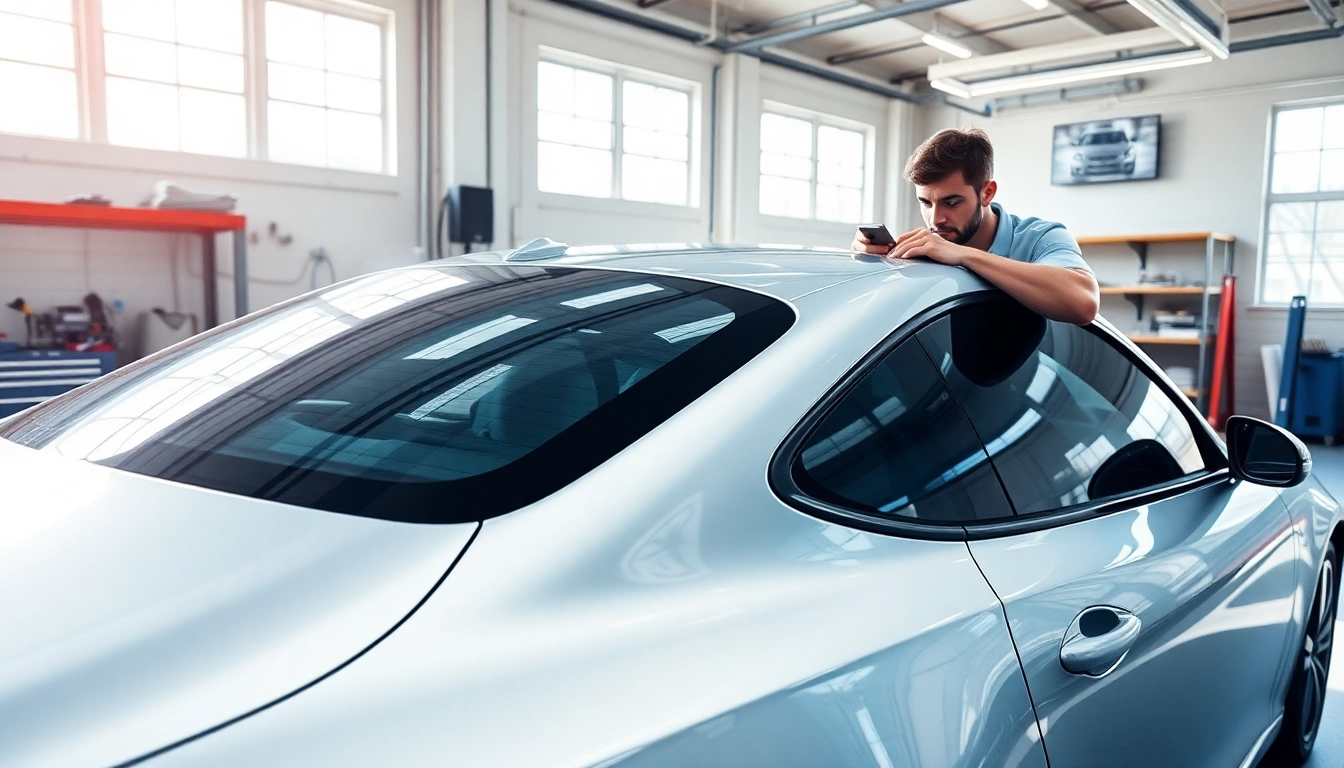
Understanding Ceramic Window Tint
What is Ceramic Window Tint?
Ceramic window tint is a technologically advanced solution designed to enhance the comfort and functionality of vehicles. Unlike traditional window films, ceramic tints utilize ceramic-based materials to block out heat and harmful UV rays without obstructing visibility. This innovative product has gained popularity among car owners looking for effective sun protection while maintaining aesthetic appeal. Incorporating ceramic window tint in your vehicle not only upgrades its appearance but also adds significant value through improved thermal regulation and interior preservation.
Benefits of Ceramic Window Tint
The advantages of ceramic window tint are numerous and compelling, making it a favorite choice for automotive window films. Here are some key benefits:
- Heat Rejection: One of the hallmark features of ceramic window tint is its superior ability to reject heat. It can block up to 50% of solar heat, making the interior of the vehicle much more comfortable, especially during peak summer months.
- UV Protection: Ceramic tint effectively blocks nearly 99% of harmful UV rays, helping to protect both vehicle occupants and interior materials from sun damage.
- Glare Reduction: This type of tint significantly minimizes glare from the sun, which can improve driving safety and comfort.
- Durability: Ceramic window films are less likely to fade, bubble, or crack compared to traditional films, providing long-lasting performance.
- Enhanced Privacy: Depending on the shade you choose, ceramic tint can offer varying levels of privacy, preventing prying eyes from looking into your vehicle.
How Ceramic Window Tint Compares to Other Types
When considering window tints, it’s crucial to understand how ceramic window tint stacks up against other types, such as dyed films, metallized films, and hybrid films.
| Type of Tint | Heat Rejection | UV Protection | Durability | Visibility |
|---|---|---|---|---|
| Ceramic Window Tint | Excellent | 99%+ | High | Clear |
| Dyed Film | Moderate | Less than 50% | Medium | Varies |
| Metallized Film | Good | 50-80% | High | Reflective |
| Hybrid Film | Good | 50-70% | Medium | Varies |
Clearly, ceramic window tint outperforms the others in several key areas, making it an ideal choice for those seeking the best in window protection technology.
Choosing the Right Ceramic Window Tint
Factors to Consider When Selecting Tint
When selecting the right ceramic window tint for your vehicle, several factors need to be considered:
- State Regulations: It’s essential to be aware of your state’s tint regulations, as laws regarding the allowable tint level can vary significantly.
- Tint Shade: Different shades provide various levels of heat rejection and privacy, so understanding your needs will help determine the best choice.
- Film Quality: Not all ceramic films are created equal. Look for reputable brands known for high-quality products that offer longevity and performance.
- Professional Installation: If you choose to opt for professional installation, consider the provider’s reputation and expertise in tint application.
Different Shades and Their Impacts
Ceramic window tints come in various shades, each offering unique benefits. Generally, darker tints provide a higher level of privacy and heat rejection compared to lighter shades. However, lighter shades can still adapt to different driving scenarios while complying with legality requirements. When choosing a shade, consider:
- The amount of natural light you want inside your vehicle.
- Your preferences for privacy versus visibility.
- The overall aesthetic you aim to achieve for your vehicle.
Common Myths About Ceramic Window Tint
Despite its popularity, many myths circulate around ceramic window tint that can mislead potential buyers. Here are some common misconceptions:
- Myth 1: Ceramic tints are only for luxury vehicles. Fact: Ceramic tints are suitable for any vehicle type and offer benefits regardless of price point.
- Myth 2: All window tints are the same. Fact: Ceramic tints provide superior performance compared to traditional options.
- Myth 3: Ceramic tint makes it difficult to see out at night. Fact: Quality ceramic tints maintain clear visibility even in low-light conditions.
Installation Process of Ceramic Window Tint
Preparing Your Vehicle for Tinting
Before installation, proper preparation is critical to ensure the best results. Here are steps to follow:
- Clean Windows: Thoroughly clean the windows to remove dirt, dust, and grease. A clean surface prevents imperfections in the installation.
- Remove Any Accessories: Take off any window accessories like decals or stickers that might hinder the installation process.
- Choose the Right Environment: Aim to have the installation performed in a controlled environment, away from direct sunlight and dust.
Step-by-Step Tint Installation Guide
Here is a general step-by-step process for installing ceramic window tint:
- Cutting the Film: Measure and cut the tint film according to the size of the window. Ensure extra material is available for adjustments.
- Applying the Film: Spray the adhesive side of the film with application solution and position it on the inside of the window.
- Use a Squeegee: Smooth out air bubbles and excess solution with a squeegee, starting from the center and moving outward.
- Trimming Excess: Trim any excess film from the edges of the window, ensuring a clean fit.
- Final Inspection: Examine the film for any air bubbles or imperfections that need correcting.
DIY vs. Professional Installation
While some car enthusiasts may consider DIY installation, it is typically recommended to seek professional services for the following reasons:
- Expertise: Professionals have the knowledge and experience to install the tint perfectly, avoiding common mistakes.
- Tools: Specialized tools used for installation can greatly enhance the quality of the results.
- Warranty: Professional installations usually come with warranties that cover potential issues.
Maintaining Your Ceramic Window Tint
Care Tips for Longevity
To ensure the longevity of your ceramic window tint, adhere to these maintenance tips:
- Wait Before Cleaning: Avoid cleaning the windows for at least 30 days post-installation to allow the adhesive to cure properly.
- Use Soft Cloths: Always use soft, non-abrasive cloths for cleaning to avoid scratching the film.
- Gentle Cleaners: Opt for cleaners that are tint-safe to preserve the integrity of the film.
Signs Your Tint Needs Replacement
Recognizing when your ceramic window tint needs replacement is crucial. Some signs to look out for include:
- Bubbling: If you notice bubbling or peeling, it indicates a poor adhesive bond that needs attention.
- Fading: Over time, low-quality films may fade, diminishing protection and aesthetics.
- Cracks: Any visible cracks can compromise the function of the tint, signaling the need for replacement.
Warranty and Service Considerations
When investing in ceramic window tint, understanding the warranty is essential. Generally, warranties cover manufacturing defects and installation issues. Here are things to consider:
- Review the terms thoroughly, noting the duration and what it specifically covers.
- Choose installation services that offer reliable guarantees to ensure peace of mind.
Frequently Asked Questions about Ceramic Window Tint
How long does ceramic window tint last?
Ceramic window tint can last for 10 years or more with proper maintenance, making it one of the most durable options available.
Does ceramic window tint block UV rays?
Yes, ceramic window tint can block up to 99% of harmful UV rays, protecting both your skin and your vehicle’s interior.
Can ceramic window tint reduce heat inside the car?
Absolutely. Ceramic window tint is known for efficiently reducing heat inside the vehicle, keeping the interior cooler in hot weather.
Is ceramic window tint legal in all states?
Ceramic window tint laws vary by state, so it’s crucial to check local regulations to ensure compliance.
How do I clean ceramic window tint safely?
Use a soft cloth and a tint-safe cleaner. Avoid ammonia-based products, as they may damage the film.