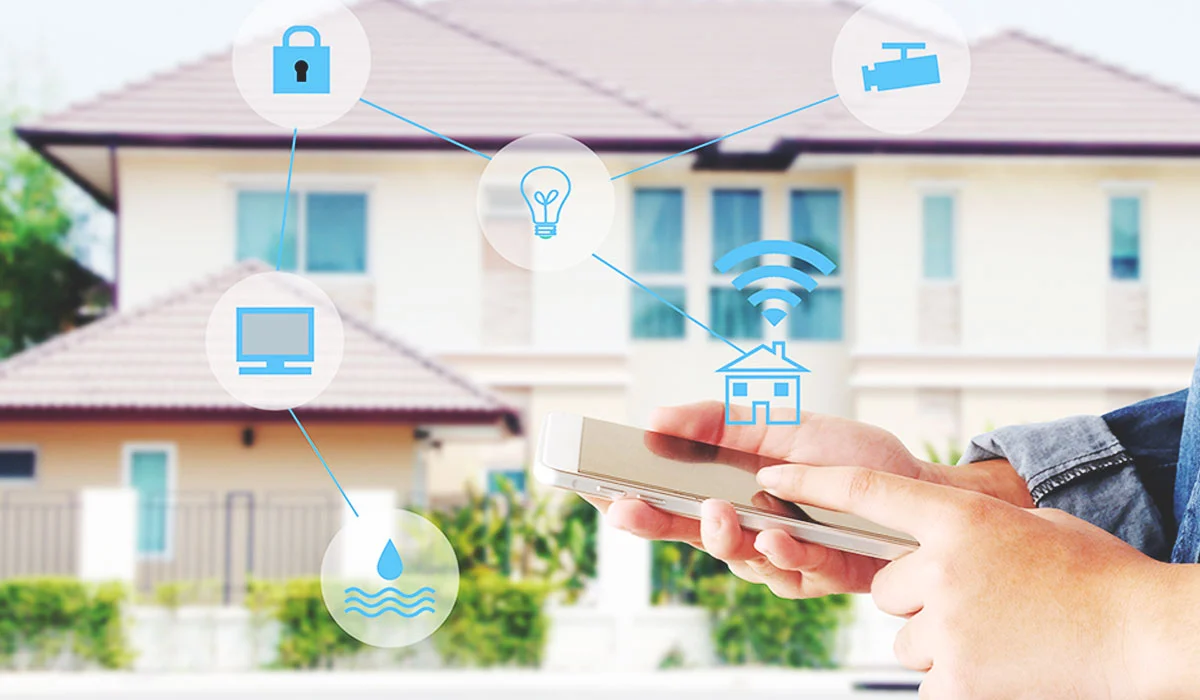
Home security is no longer a luxury. It is a basic need for every family that wants to live with peace of mind. In today’s world, homes hold valuable items like electronics, personal data, and precious memories. Protecting them is just as important as locking your front door. Home Security means using smart tools, strong habits, and smart planning to protect your home from theft, damage, and danger.
Break-ins can happen in any neighborhood, even in areas that look safe and quiet. Many criminals do not break in using force. They often look for easy targets like unlocked doors, dark areas, and homes without visible security. This is why strong home security is not just about alarms or cameras. It is about building layers of protection that work together.
Home Security Basics Every Home Needs
Strong home security always starts with the basics. Even the best smart systems will fail if the simplest things are ignored. Doors, windows, lighting, and daily habits form the first line of defense.
Strong Doors and Locks for Home Security
Your door is the first barrier between your home and the outside world. A weak door or a low-quality lock makes break-ins much easier.
Important home security door tips include:
- Use solid wood or metal doors instead of hollow ones
- Install deadbolt locks with long steel bolts
- Add a peephole or smart door viewer
- Use door reinforcement plates and strike plates
A real-life example shows why this matters. In one neighborhood, two similar houses were targeted. The home with a solid metal door and deadbolt lock was skipped, while the home with a weak wooden door was broken into within minutes. This shows how simple upgrades can strongly improve home security.
Window Safety and Home Security
Windows are another major entry point for burglars. Many people forget about windows when thinking about home-security.
Smart ways to secure windows include:
- Adding window locks
- Using security film to prevent shattering
- Installing window sensors connected to alarms
- Keeping bushes trimmed so windows stay visible
Windows that are hidden behind tall plants create perfect hiding spots for criminals. Good home-security means keeping every entry point safe and visible.
Smart Home Security Systems and Technology
Technology has changed home security in powerful ways. Today, people can monitor their homes from their phones and receive alerts within seconds.
Home Security Cameras and Surveillance
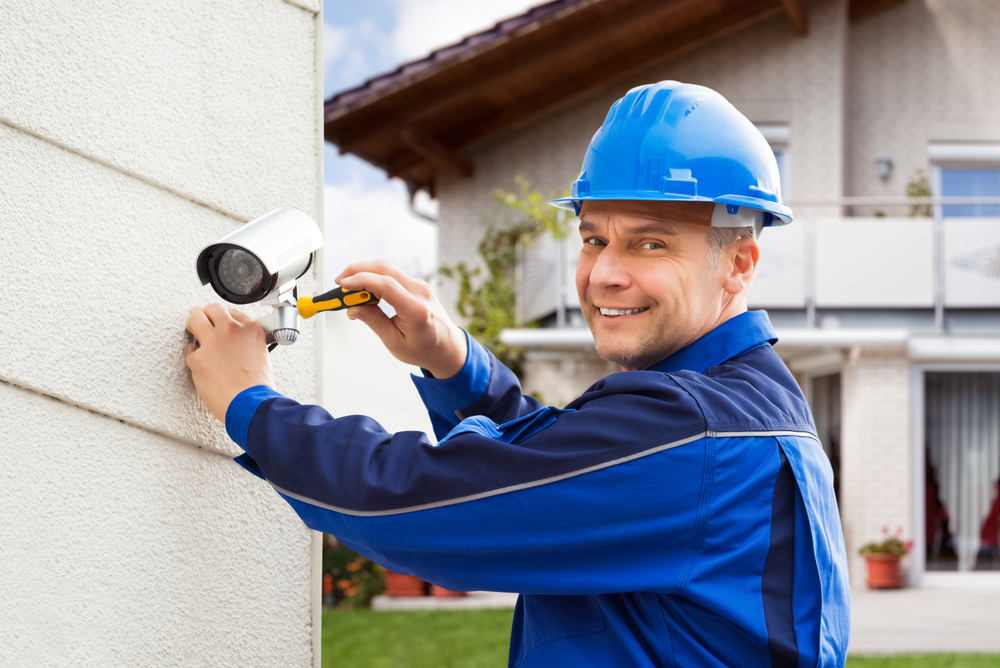
Home-security cameras act as both protection and proof. The presence of cameras alone can scare away many potential intruders.
Popular places to install home-security cameras include:
- Front door
- Backyard
- Driveway
- Basement entrance
- Garage
Modern home-security cameras offer:
- Live HD video
- Night vision
- Motion alerts
- Cloud storage
- Two-way audio
A family in Texas once stopped a burglary in real time using home-security cameras. They received a phone alert while at work, called the police, and shared the live footage. The burglar was caught without any damage to the home.
Smart Doorbells and Home Security Entry Control
Smart doorbells are now a key part of modern home-security. They let you see and speak to visitors even when you are far from home.
Benefits of smart doorbells include:
- Live video of visitors
- Motion alerts
- Video recording
- Package theft prevention
- Remote access
Smart doorbells protect against porch theft, one of the fastest-growing home crimes.
Alarm Systems and Motion Sensors for Home Security
Alarm systems are one of the strongest tools in home-security. They detect movement, door openings, and glass breaking.
Common types of sensors include:
- Motion detectors
- Door and window sensors
- Glass break sensors
- Smoke and carbon monoxide sensors
When combined, these devices form a full home-security shield that protects against both crime and danger.
Outdoor Home Security Strategies
Many break-ins begin outside the home. This is why outdoor home-security is just as important as indoor protection.
Lighting and Home-Security at Night
Dark spaces invite trouble. Proper lighting is one of the easiest home-security upgrades.
Effective outdoor lighting includes:
- Motion-activated floodlights
- Solar-powered lights
- Porch and pathway lights
- Garage lighting
Lighting removes shadows where criminals hide. It also increases visibility for neighbors and cameras.
Fences, Gates, and Natural Barriers
Fences and natural barriers help guide people where they are allowed to go. They also signal that the home is protected.
Helpful outdoor home-security barriers include:
- Tall wooden fences
- Locked metal gates
- Thorny bushes under windows
- Gravel paths that make noise
Gravel paths under windows act like natural alarms because they make loud sounds when stepped on.
Daily Habits That Strengthen Home Security
The strongest home-security system means nothing if daily habits are poor. Many break-ins happen because of simple mistakes.
Locking Doors and Windows Every Time
Never assume you will be gone “just for a minute.” Many thefts happen during short absences.
Key home-security habits:
- Lock all doors and windows before leaving
- Lock interior doors when sleeping
- Close blinds at night
- Remove hidden spare keys
Package and Delivery Safety for Home-Security
Package theft is a major problem for modern homes. Good home-security includes safe delivery habits.
Smart solutions include:
- Using package lockers
- Asking neighbors to collect packages
- Scheduling deliveries when someone is home
- Using smart doorbells
A student once ordered an expensive laptop and left it outside all day. It was stolen within an hour. Simple planning could have prevented this loss through better home-security habits.
Home Security for Apartments and Rentals
Home security is not just for homeowners. Renters and apartment residents face risks too.
Easy Home-Security Upgrades for Renters
Renters can still improve home-security without breaking lease rules.
Smart renter-friendly home-security ideas include:
- Wireless cameras
- Door stop alarms
- Stick-on window sensors
- Portable safes
Floor-Level Safety in Apartments
Basement and ground-floor apartments face higher break-in risks. Home-security for these areas must be stronger.
Tips include:
- Reinforced window locks
- Motion lights near windows
- Visible cameras facing entry points
Home Security for Families with Children
Children should feel safe at home. Home-security for families goes beyond theft prevention.
Teaching Children About Home-Security
Children should learn basic home-security skills like:
- Not opening doors for strangers
- Locking doors after entering
- Calling trusted adults during emergencies
Child-Safe Locks and Security
Protective locks help keep children safe from accidents while maintaining home-security.
These include:
- Cabinet locks
- Window guards
- Stair gates
- Safe storage for tools and chemicals
Home-Security During Travel and Vacations
Homes are most vulnerable when families travel. Good planning can protect your home while you are away.
Creating the Appearance of Occupancy
Homes that look lived in are less likely to be targeted.
Smart home-security travel tips include:
- Using light timers
- Having neighbors collect mail
- Parking a car in the driveway
- Using smart blinds
Smart Monitoring While Away
With modern home-security apps, you can:
- Watch live camera feeds
- Get motion alerts
- Talk through smart doorbells
- Control lights remotely
Home Security for Senior Citizens
Older adults may face unique home-security challenges.
Important home-security features for seniors include:
- Medical alert systems
- Easy-to-use alarm controls
- Strong outdoor lighting
- Visitor screening using smart doorbells
These tools help protect against both crime and medical emergencies.
Community and Neighborhood Home Security
Home security works best when neighbors work together.
Neighborhood Watch and Home-Security
Community efforts create shared protection. When neighbors know each other, suspicious actions stand out quickly.
Neighborhood home-security benefits include:
- Shared camera coverage
- Faster emergency response
- Crime prevention through visibility
Social Media and Community Groups
Local groups help neighbors share alerts about lost items, crime risks, and safety tips.
Mistakes That Weaken Home Security
Some common mistakes can destroy even strong hom-security systems.
These mistakes include:
- Posting vacation plans online
- Leaving spare keys outside
- Ignoring broken locks
- Forgetting to update alarm systems
- Keeping ladders accessible
Every small mistake creates a possible entry for crime.
The Future of Home Security
Home-security keeps evolving with new technology.
Future home-security trends include:
- Artificial intelligence threat detection
- Facial recognition systems
- Smart neighborhood security networks
- Voice-controlled safety systems
As technology grows, homes will become more secure, more connected, and easier to protect.
Strong Conclusion on Home Security
Home security is not about fear. It is about control, confidence, and smart preparation. A well-secured home protects your family, your belongings, and your peace of mind. From strong doors and smart cameras to simple daily habits and community teamwork, every step adds one more protective layer.
The most powerful home-security systems are the ones that mix technology with awareness. You do not need to live in fear to be protected. You only need to stay prepared. Every lock you install, every light you add, and every habit you build brings you closer to a safer home.
Start with the basics today. Improve one area at a time. Over time, your home-security system will grow into a strong shield that keeps danger outside where it belongs. All our latest blogs and resources are connected to our core platform.
FAQs
What is the best type of home security system for beginners?
The best home-security system for beginners is a wireless smart alarm system with door sensors, motion detectors, and a simple mobile app for alerts. It is easy to install and manage.
How much should I spend on home security?
Home security costs depend on your needs, but basic protection can start at low cost using good locks, lighting, and wireless cameras before upgrading to full systems later.
Can home security really prevent break-ins?
Yes, strong home-security greatly reduces break-in risk. Studies show that visible cameras, alarms, and good lighting stop most criminals before they attempt entry.

